From China
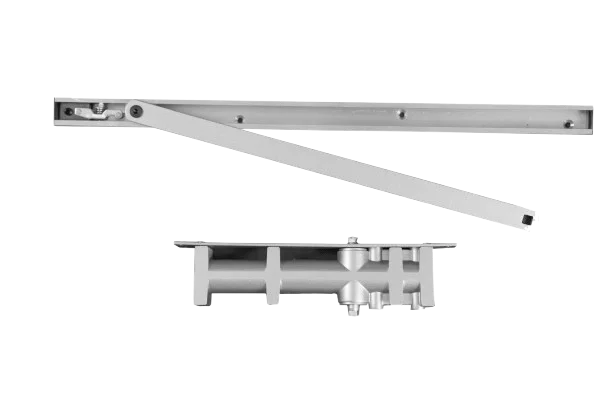
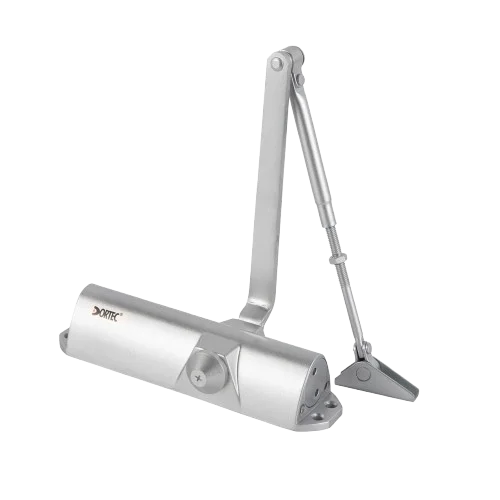
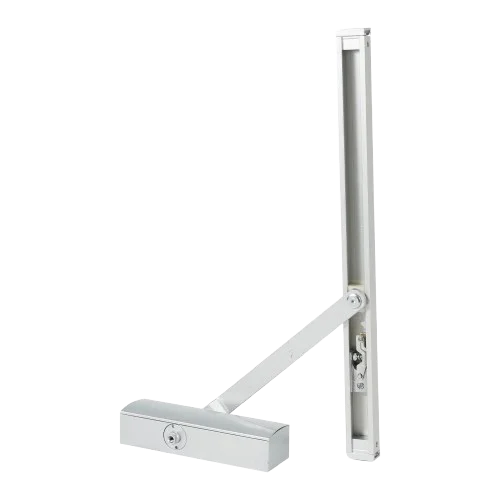
Door Closer Types
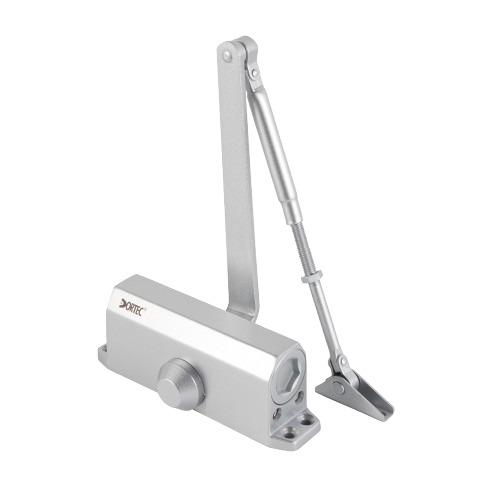
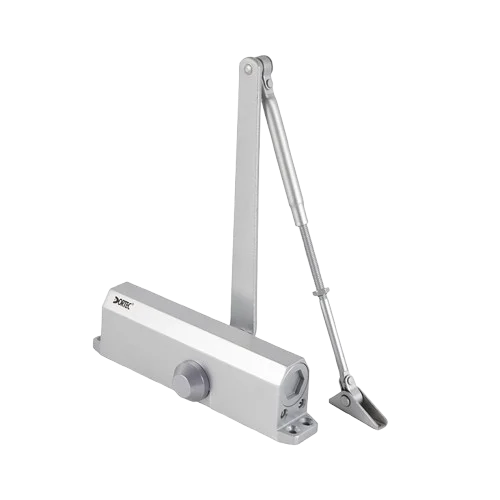
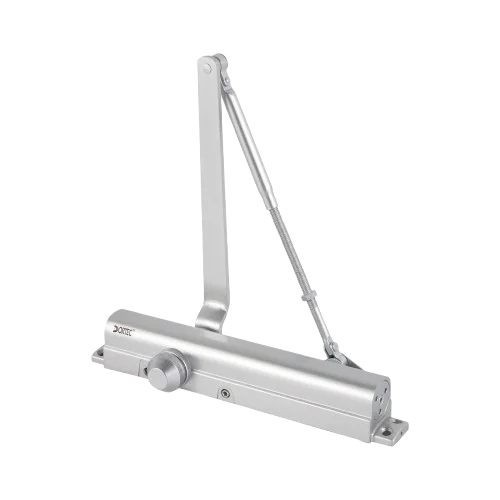
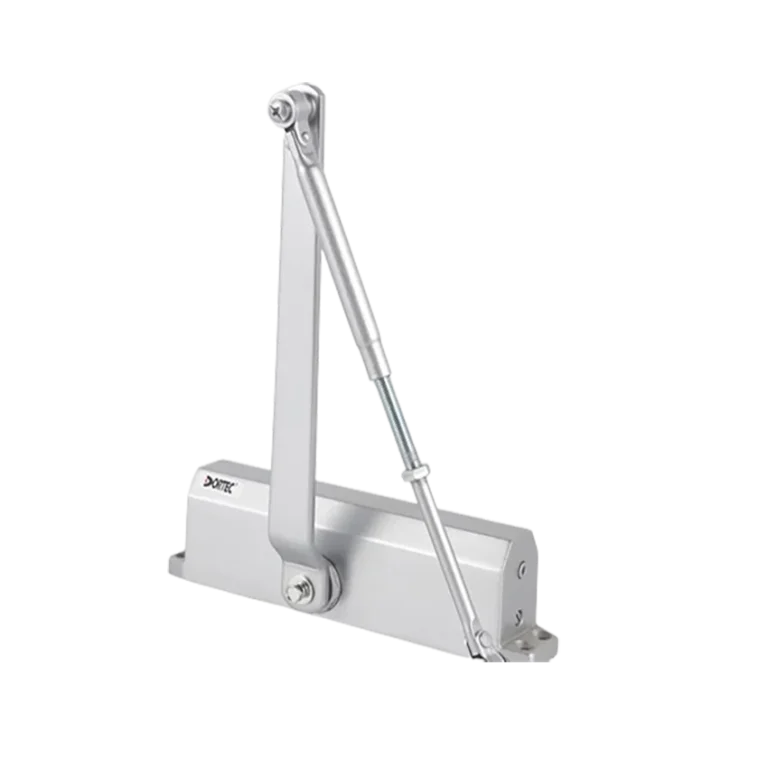
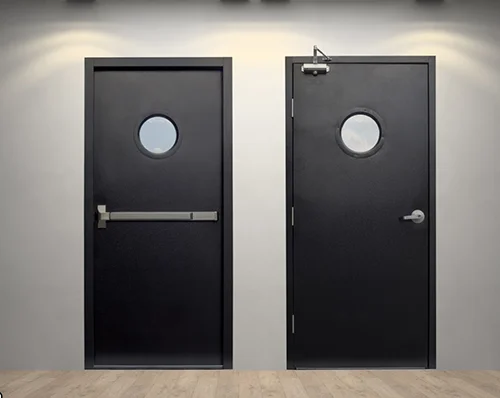
17 year manufacture experience,UL 3 hours fire rated door closer types from DORTEC,providing stable quanity door closer for your project.
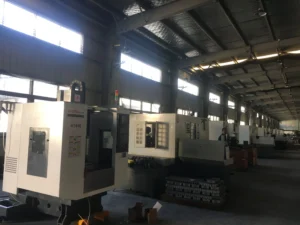
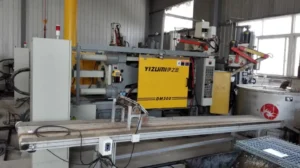
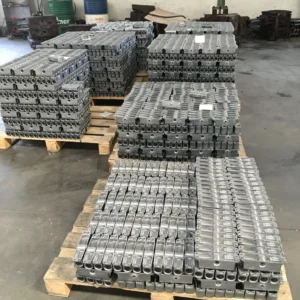
Workshop of
Door Closer Types
Application
Door Closer Types
1. Residential Spaces
- Exterior doors
- Interior doors
2. Commercial & Office Buildings
- Entry/office doors:
- Meeting rooms/break rooms
3. Public & High-Traffic Areas
- Schools/hospitals/airports:
- Malls/retail stores:
4. Safety & Code-Compliant Spaces
- Fire-rated doors
- Industrial areas
Frequently Asked Questions
What are the three types of door closers?
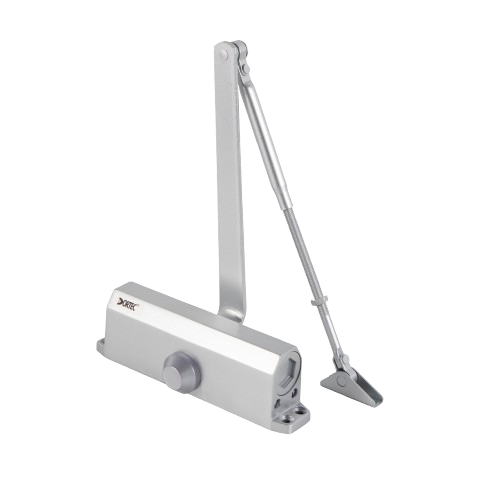
Three common types of door closers:
- Surface-mounted door closers: Installed on the door surface, widely used for general interior and exterior doors.
- Concealed door closers: Built into the door or frame for a neat appearance, suitable for decorative doors.
- Floor spring door closers: Embedded in the floor, designed for heavy glass or large doors.
What is the most common door closer?
The most common door closer is the surface-mounted hydraulic door closer. It’s easy to install, cost-effective, and widely used in homes, offices, schools, and commercial spaces.
How to adjust door closer speed?
Adjusting the speed of a door closer is a common maintenance task that ensures the door closes smoothly, safely, and in compliance with building codes (e.g., fire safety requirements). Most hydraulic door closers have two main adjustment valves to control speed: one for the “speed” phase (the main closing motion from fully open to ~15°) and one for the “latch” phase (the final slow closing from ~15° to fully latched). Below is a step-by-step guide, including safety tips and key notes.
- Prepare tools: Get a screwdriver or hex key ready.
- Identify the adjustment screws: One is marked “SPEED “, which controls the closing speed in the first half of the door’s closing process. The other is marked “Latch” or “SPEED 2”, which controls the closing speed in the second half.
- Adjust the speed: Turn the “SPEED ” screw clockwise to slow down the door closing speed, and counterclockwise to speed it up. Similarly, turn the “SPEED 2” or “Latch” screw clockwise to slow down the speed, and counterclockwise to speed it up. Each adjustment should be a small increment, such as 1/4 turn.
- Test the adjustment effect: After each adjustment, test the door closing speed to see if it meets your requirements. If the door closes too fast or too slow, continue to fine – tune the screws until you are satisfied.
How to replace door closer?
- Remove the old door closer: Unfasten screws connecting it to the door and frame, then take it off.
- Install the new one: Align the new closer with the old mounting holes (drill new ones if needed), secure it to the door and frame with provided screws.
- Adjust: Test the door’s closing speed and latching; tweak the closer’s adjustment screws to get the right tension.